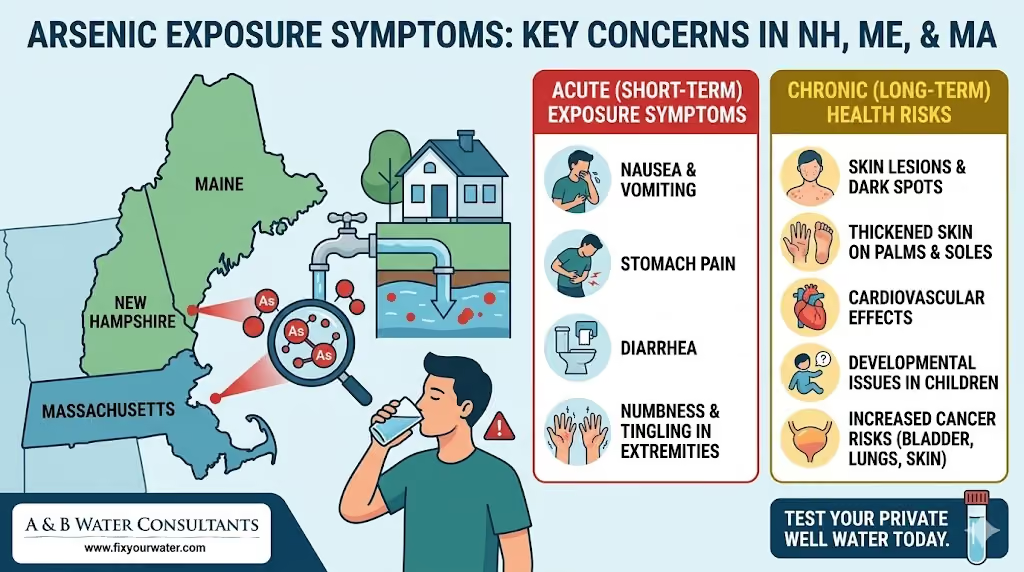
Recognizing arsenic exposure symptoms helps homeowners identify potential problems with their drinking water before they become serious. Arsenic exposure symptoms can be subtle or dramatic depending on whether exposure is short term and high dose or long term and low dose. For families in New Hampshire, southern Maine, and Massachusetts who rely on private wells, understanding sources, testing, and arsenic remediation is essential to protecting household health.
Private wells are not regulated the same way public systems are, and parts of New England sit on geologic formations that can release arsenic into groundwater. This article explains how arsenic gets into water, the key signs and health effects of arsenic, testing strategies, and the most effective treatment options that homeowners should consider. When professional help is needed, homeowners can get customized solutions from experienced providers. Contact A&B Water Consultants for a free arsenic water treatment quote.
What Is Arsenic and Why Does It Matter?
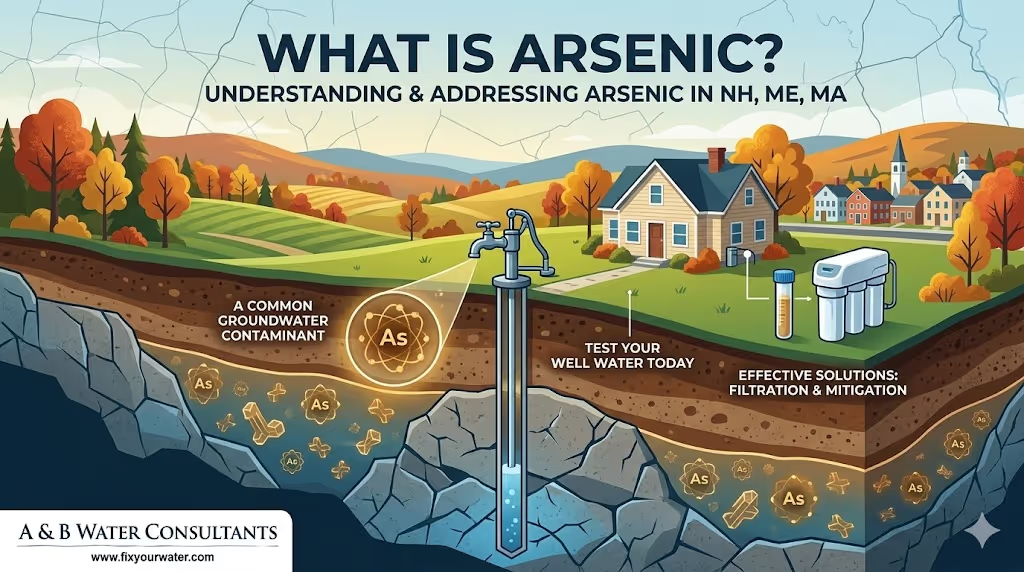
Arsenic is a naturally occurring element found in Earths crust. It exists in several chemical forms, with inorganic arsenic being the most toxic form commonly found in groundwater. While trace amounts occur in soil and rock everywhere, concentration and mobility vary with geology and human activities.
Arsenic matters because long term ingestion of even low concentrations can lead to significant health risks. Studies link chronic arsenic exposure to a range of problems including skin changes, nerve damage, cardiovascular disease, diabetes, and several cancers. Those concerns make arsenic an important part of any homeowner’s water quality checklist, especially for private well users in New Hampshire, southern Maine, and Massachusetts.
Common Sources of Arsenic in New England Water
Understanding where arsenic comes from helps prioritize testing and treatment. The main sources are:
- Natural geology: Bedrock and glacial deposits can contain arsenic-bearing minerals. When groundwater moves through these formations, arsenic can dissolve into well water. This is a primary reason private wells in parts of New Hampshire and Maine show elevated levels.
- Past industrial or agricultural uses: Old pesticide and wood-treatment sites can leave residual arsenic in soil and nearby water.
- Mining and smelting: Historic mining areas can have localized contamination.
- Old plumbing and materials: Treated wood structures or industrial discharge can sometimes be a factor, though this is less common for modern household plumbing.
Because arsenic can come from deep in the ground, it is especially common in private wells drilled into bedrock. Public water systems are required to test and treat to federal standards, but private well owners carry the responsibility to test and address any contamination.
How People Are Exposed
The primary route of concern is ingestion of contaminated water. That includes drinking tap water, making beverages, cooking, and preparing baby formula. Secondary routes include consuming food prepared with contaminated water or, less commonly, inhaling arsenic-contaminated dust or vapors in occupational settings.
Certain groups face higher risk from the same water concentration:
- Infants and young children
- Pregnant and breastfeeding women
- People with weakened immune systems or chronic illnesses
- Those who consume large amounts of well water
Arsenic Drinking Water Risks and Regulatory Standards
The U.S. Environmental Protection Agency sets the maximum contaminant level at 10 parts per billion (ppb) for public water systems. The World Health Organization has a similar guideline of 10 micrograms per liter. However, private wells are not federally regulated, so homeowners must test independently. State programs in New Hampshire and Massachusetts provide guidance and certified lab lists to help homeowners get accurate results.
Even when arsenic is below 10 ppb, some studies suggest long term health effects at lower levels. That is why testing, understanding the results, and consulting water treatment professionals is so important. For a no-commitment assessment, Contact A&B Water Consultants for a free arsenic water treatment quote.
Testing for Arsenic: What Homeowners Should Know
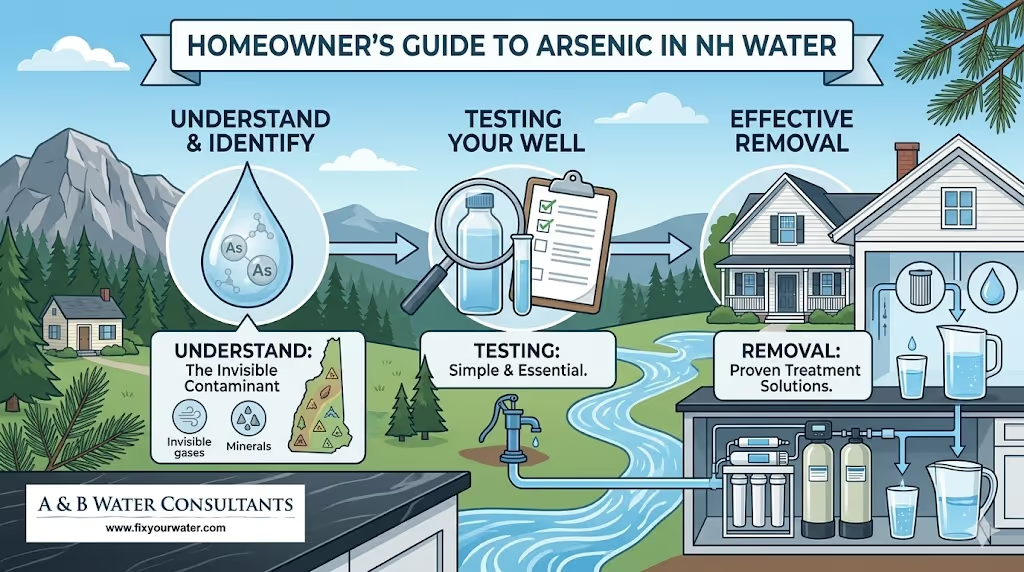
Testing for arsenic is the only reliable way to know whether arsenic is present and at what concentration. Homeowners should consider these testing steps:
- Choose a certified laboratory. State environmental agencies publish lists of certified labs that analyze drinking water samples for arsenic and other contaminants.
- Collect samples properly. Labs provide instructions and sampling bottles. Follow guidance exactly, as contamination during sampling can skew results.
- Test for speciation when necessary. Some labs can differentiate between inorganic and organic arsenic. Inorganic arsenic is the primary health concern in drinking water.
- Test regularly. For private wells, test at least every 3 to 5 years, and more often if water chemistry changes or if household members are pregnant.
Many homeowners try at-home test kits. These can flag a potential problem but are not as reliable or accurate as certified lab results. When accuracy matters, especially for treatment decisions, rely on a certified lab.
Treatment and Remediation Options for Arsenic in Drinking Water
Treatment choices depend on several factors including arsenic concentration, water chemistry, household flow needs, and budget. Because systems must match specific site conditions, professional design and installation are strongly advised.
Common and effective arsenic removal technologies include:
- Reverse osmosis (RO): Very effective at removing arsenic from drinking and cooking water when used as a point-of-use system, typically under the kitchen sink. RO removes a wide range of contaminants, but treats only water used at the faucet where it is installed.
- Ion exchange: Similar to water softening, specially designed ion exchange systems can remove arsenic, but they require correct resin selection and pre-treatment when iron or manganese are present.
- Adsorptive media: Granular ferric hydroxide, activated alumina, and other iron-based media adsorb arsenic efficiently when system design accounts for pH and competing ions. These media are popular for whole-house point-of-entry systems because they can protect the entire plumbing system.
- Coagulation-filtration: Used in larger or community systems, this chemical-based approach removes arsenic by precipitating it out of the water and filtering the solids.
Each method has trade-offs. For example, RO systems produce wastewater and typically treat only a single faucet, while whole-house adsorptive systems protect all taps and appliances but require periodic media replacement and sometimes prefiltration. Because water chemistry affects performance, a site-specific evaluation is critical.
Professional installers also consider related contaminants like iron, manganese, or hardness because those can interfere with arsenic removal. That is one reason companies with deep experience in New England geology and water chemistry provide better long-term outcomes. For a professional assessment tailored to a household’s water, Contact A&B Water Consultants for a free arsenic water treatment quote.
Whole-House Versus Point-of-Use Treatment
Homeowners must decide whether to treat all incoming water or only drinking and cooking water:
- Point-of-use (POU): RO and other POU systems focus on the kitchen tap. They are typically less expensive and conserve media, but they do not protect showers, washing machines, or other appliances. POU is an efficient choice when arsenic levels are low to moderate and the main concern is ingestion.
- Point-of-entry (POE) whole-house: These systems treat all water entering the house. They protect plumbing, appliances, and avoid exposure during showering and bathing where small inhalation or dermal transfer could occur. POE is often recommended for higher arsenic levels or when homeowners want comprehensive protection.
Choosing the right approach is a technical decision. Professionals will assess flow rates, peak usage, and water quality before recommending a POE or POU option. For New England homeowners who want expert guidance, Contact A&B Water Consultants for a free arsenic water treatment quote.
Maintenance, Monitoring, and Costs
Effective arsenic control is not a set-it-and-forget-it solution. Systems require ongoing care:
- Media replacement: Adsorptive media and RO membranes wear out. Replacement schedules vary with arsenic load and water usage.
- System checks: Periodic inspections confirm backwashing, pressure, and valves are functioning.
- Water retesting: After installation, retest to confirm removal effectiveness. Then test annually or per the system manufacturer’s recommendations.
- Disposal: Spent media can contain concentrated arsenic. Proper disposal through licensed channels is required; professionals handle this safely.
Costs vary widely. A small under-sink RO unit may cost a few hundred to a couple thousand dollars installed. Whole-house adsorptive systems typically range higher depending on flow capacity and media. Lifetime costs include replacement media, filters, and annual testing. While costs may seem significant, they are an investment in family health and property value.
Selecting a Trusted Water Treatment Partner
Homeowners benefit from working with a company that understands regional water chemistry, bedrock well behavior, and local regulations. A trusted provider will:
- Run a comprehensive water analysis rather than guessing
- Design systems that account for arsenic concentration, pH, iron, manganese, and flow
- Offer certified installation and post-installation testing
- Provide maintenance plans and safe disposal of spent media
A & B Water Consultants brings over 25 years of experience serving New Hampshire, southern Maine, and Massachusetts homeowners with custom-designed radon filtration systems and arsenic solutions. Their technicians aim to minimize downtime, maximize contaminant removal, and explain options in plain language so families can make informed decisions. For tailored design and installation, Contact A&B Water Consultants for a free arsenic water treatment quote.
Practical Example: A New Hampshire Family’s Journey
A family in southeastern New Hampshire bought a colonial with a deep bedrock well. Routine testing showed arsenic at 12 ppb, above the EPA action level. Concerned about their toddler and an expecting family member, they consulted a local water treatment firm. The process looked like this:
- Certified lab testing confirmed arsenic and low-level iron.
- A site visit assessed flow requirements and suggested prefiltration for iron to protect the main adsorptive media.
- A whole-house adsorptive media system was installed at the well head to protect plumbing and appliances, plus an under-sink RO system was added at the kitchen for extra safety in drinking water.
- Post-installation testing confirmed arsenic fell below detection limits at household taps.
- Routine maintenance and annual retesting were scheduled.
The family felt reassured that both water used for bathing and drinking met safety expectations. This combination approach is common in New England when homeowners want complete protection and peace of mind.
When to See a Doctor
If household members display acute symptoms such as severe vomiting, bloody diarrhea, or confusion following a suspected large exposure, seek emergency medical care immediately. For chronic symptoms like skin changes, persistent numbness, or unexplained gastrointestinal problems, consult a primary care physician and mention any known or suspected exposure to contaminated water. Physicians may recommend blood or urine testing for arsenic metabolites to help determine recent exposure.
Legal and Real Estate Considerations in New England
Because private well water is a common feature of rural and suburban New England homes, arsenic testing often comes up during real estate transactions. Buyers often request a private well inspection and laboratory testing as part of the purchase contingency. Sellers who test proactively and install certified treatment systems may strengthen offers and expedite closings.
State programs and other local resources, especially in New Hampshire, offer guidance and resources for private well owners. Homeowners should consult local agencies or credible water treatment professionals familiar with state guidelines when planning testing and remediation.
Summary and Next Steps
Arsenic in drinking water is a real concern for private well owners across New Hampshire, southern Maine, and Massachusetts. Recognizing arsenic exposure symptoms is the first step toward protecting health. Because symptoms of chronic exposure can be subtle and overlap with other conditions, routine testing of private wells is essential. When arsenic is detected, effective options such as reverse osmosis, ion exchange, and adsorptive media can reduce concentrations to safe levels, but professional design and maintenance are key to success.
Homeowners who suspect a problem should start with certified water testing, consult qualified water treatment professionals, and consider both point-of-use and whole-house strategies based on their needs. For local expertise, tailored system design, and reliable installation, Experienced arsenic removal companies can explain the trade-offs between system types, ensure compliance with best practices, and handle long-term maintenance including safe disposal of spent media.
For families who prioritize health and safety, addressing arsenic proactively brings long-term peace of mind and protects household members from the serious health effects associated with chronic exposure. When ready to evaluate options and take the next step, Contact A&B Water Consultants for a free arsenic water treatment quote.
Frequently Asked Questions
How often should a private well be tested for arsenic?
Homeowners should test private well water for arsenic at least every 3 to 5 years, and sooner if water taste, color, or odor changes, or if household members are pregnant. After installing a treatment system, retest to confirm performance and then follow the system manufacturer’s retest recommendations, often annually.
Can a water softener remove arsenic?
Standard water softeners are not designed to remove arsenic. Specialized ion exchange systems can remove arsenic, but they differ from sodium-exchange softeners. Professional evaluation is needed to select the right resin and pre-treatment if iron or manganese are present.
Are at-home test kits reliable for arsenic?
At-home kits can give a quick indication but are less accurate than certified laboratory analyses. For health-critical decisions and system sizing, homeowners should use a certified lab for reliable, legally defensible results.
What is the safest immediate action if someone is symptomatic and arsenic is suspected?
If acute symptoms like severe vomiting, bloody diarrhea, or confusion occur, seek emergency medical care and inform clinicians about potential arsenic exposure. For suspected chronic exposure, see a primary care physician and provide recent water test results. In all cases, stop using the suspected water for drinking and cooking until treatment is installed or alternative water is available.
Who should homeowners contact for help with arsenic in water?
Homeowners should work with certified water testing labs and experienced water treatment professionals familiar with regional conditions. For tailored system design and installation in New Hampshire, southern Maine, and Massachusetts, Contact A&B Water Consultants for a free arsenic water treatment quote.