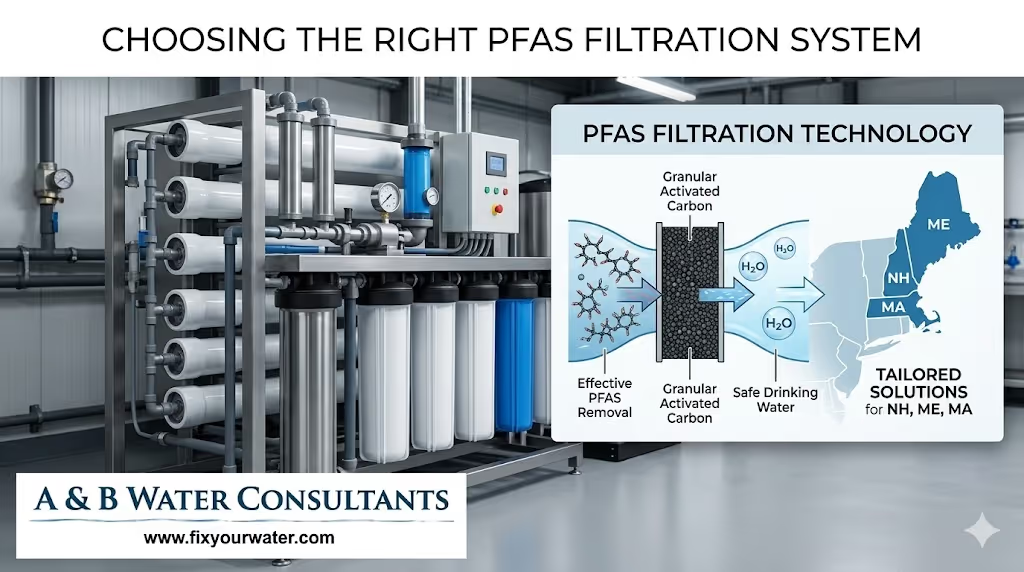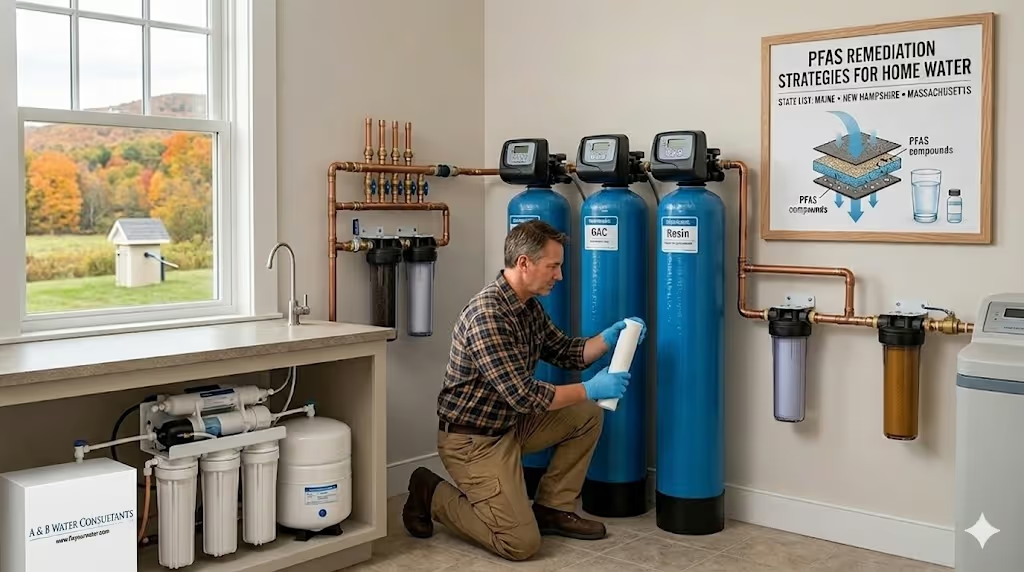
When homeowners discover PFAS in their well water, choosing the right pfas filtration systems can feel overwhelming. This guide breaks down what PFAS are, how they enter New England water supplies, the most effective pfas water treatment technologies, and how professionals design and maintain systems that reliably remove PFAS from water. For families across New Hampshire, Southern Maine, and Massachusetts, practical, expert guidance makes the difference between guessing and solving the problem for good.
What Are PFAS and Why Do They Matter?
PFAS stands for per- and polyfluoroalkyl substances, a large group of man-made chemicals used for decades in nonstick coatings, firefighting foams, stain-resistant fabrics, and many industrial applications. The chemistry that makes PFAS useful also makes them persistent. They resist degradation in the environment and can accumulate in water supplies and in human tissue.
PFAS are of concern because some compounds in this family, like PFOA and PFOS, have been associated with health effects at low concentrations, particularly after long-term exposure. That has prompted federal and state regulators to tighten guidance and sampling programs. Homeowners who rely on private wells or live near airports, industrial sites, or areas where biosolids were applied should pay attention to testing and proven treatment options.
How PFAS Reach Private Wells in New England
In New Hampshire, Southern Maine, and Massachusetts, common pathways for PFAS contamination include:
- Use of aqueous film forming foams (AFFF) at airports, military bases, and fire training sites
- Industrial discharges and historical manufacturing sites
- Landfills and wastewater treatment plant effluent or biosolid application
- Runoff from commercial properties and older consumer products
Because PFAS travel with groundwater, a contamination source can affect multiple private wells and community supplies. That's why targeted testing and professional assessment are crucial.
Testing: The First Step Before Choosing a PFAS Filtration System
Before investing in any pfas filtration systems, homeowners should get a reliable water test that includes PFAS panels. Labs certified to analyze PFAS will report concentrations in parts per trillion, identify specific PFAS compounds, and sometimes provide detection limits. A trustworthy lab result tells a water treatment professional whether treatment is needed, and if so, which technologies are appropriate. For guidance on home testing methodology and next steps, homeowners can consult resources like How to Test for PFAS: A Homeowner's Guide to Water Safety.
Local context matters. State and municipal programs in New England have tested many public and private wells. A professional like A & B Water Consultants combines test results with property history to advise on risk and treatment options. Contact A&B Water Consultants for a free PFAS removal water treatment quote.
Overview of PFAS Filtration Systems: What Works and Why
There is no one-size-fits-all system for PFAS removal. Treatment selection depends on PFAS types and concentrations, water chemistry, flow and household needs, and whether homeowners want whole-house protection or just cleaner drinking and cooking water.
Granular Activated Carbon (GAC)
How it works: GAC uses porous carbon media that adsorbs PFAS molecules from water as it passes through the media bed. It is the most widely used commercial method for removing a range of PFAS, especially the longer-chain compounds.
Pros
- Proven technology with many residential and municipal installations
- Relatively low operating costs compared with some alternatives
- Effective for many PFAS types, particularly PFOA and PFOS
Cons
- Performance declines as media becomes saturated; requires monitoring and media replacement or regeneration
- Less effective for short-chain PFAS unless specially designed resins are used
- Spent media disposal or regeneration has regulatory and logistical implications
GAC is commonly used as a point-of-entry system to protect an entire house. For homeowners in New Hampshire who want whole-house protection from a known PFAS source, a professionally designed GAC system can be a pragmatic choice.
Ion Exchange Resins
How it works: Anion exchange resins selectively bind PFAS compounds, particularly the shorter-chain variants that pass through standard GAC more easily. There are specialized resins formulated specifically for PFAS removal. For details comparing ion exchange and GAC approaches, see the company's technical discussion of ion vs GAC filtration systems.
Pros
- Strong performance against short-chain PFAS
- Smaller footprint than some GAC systems
- Can be regenerated, reducing media replacement frequency
Cons
- Regeneration requires careful handling and produces a concentrate that must be disposed of properly
- More technical oversight and skilled installation often required
Reverse Osmosis (RO)
How it works: RO forces water through a semi-permeable membrane that rejects many dissolved contaminants, including a broad range of PFAS. RO systems are typically installed at the point of use under a sink for drinking and cooking water.
Pros
- High removal rates for many PFAS, including shorter-chain compounds when combined with pre-treatment
- Compact point-of-use application for households wanting treated drinking water without whole-house installation
Cons
- Produces wastewater (brine) at a ratio that depends on system efficiency
- Not practical or cost-effective for whole-house flow rates
- Requires pre-filtration and maintenance to protect membranes
Nanofiltration and High-Pressure Membranes
How it works: These membranes operate at higher pressures than RO and can reject PFAS depending on membrane characteristics. They are used at larger scales and in industrial or community systems more than in single-family homes.
Pros
- Robust rejection when designed correctly
- Suitable for community systems and commercial applications
Cons
- Higher capital and operating costs
- Requires skilled engineers for design and maintenance
Emerging and Supplemental Technologies
Other approaches are in development or used as supplements to primary systems. These include:
- Advanced oxidation processes paired with adsorption
- Electrochemical treatment methods
- Thermal destruction or concentrated waste treatment at centralized facilities
While promising, these methods are often deployed at larger scales or remain cost-prohibitive for single-family homes. That said, combining technologies can improve outcomes in complex situations by addressing a wider range of PFAS.
Comparing PFAS Removal Methods
Here is a concise comparison to help homeowners grasp tradeoffs when evaluating pfas filtration systems:
- GAC: Best for longer-chain PFAS; cost-effective for whole-house systems; requires media change and monitoring.
- Ion Exchange: Effective for short-chain PFAS; regenerable; needs careful waste handling.
- RO: Excellent for point-of-use drinking water; produces reject water; not suitable alone for whole-house flows.
- Membranes: Strong performance at community scale; higher cost and complexity.
Choosing a system is not just about which method removes the most PFAS. Water chemistry, flow needs, the specific PFAS present, and ongoing operations all matter. For a tailored solution, homeowners should consult a local expert who can evaluate their site and test results. Contact A&B Water Consultants for a free PFAS removal water treatment quote.
Design Considerations for Homeowners in New England
Professionally designed systems consider several local and household-specific factors:
- PFAS profile - Which PFAS compounds and at what concentrations?
- Water chemistry - pH, iron, manganese, hardness, and organics affect system performance and media life
- Flow rates - Whole-house systems must handle cold water peak demands
- Space and footprint - GAC vessels, RO tanks, and tanks for regenerable systems need room for installation and service access
- Regulatory and disposal considerations - Spent media may be handled differently in New Hampshire and Maine; professionals manage regulatory compliance
- Integration with existing treatment - Many homes already treat for arsenic, radon, or hardness; systems must be compatible
A & B Water Consultants specializes in designing systems that combine PFAS removal with treatment for arsenic and radon when needed, ensuring compatibility and reliable performance across New England conditions. Contact A&B Water Consultants for a free PFAS removal water treatment quote.
Installation, Maintenance, and Monitoring
Effective treatment is a system life-cycle project, not a single purchase. Key stages include:
- Pre-installation testing - Confirm PFAS levels and water chemistry
- System selection and sizing - Choose media type and vessel size based on expected loading and desired service life
- Professional installation - Plumb, pressure-test, and integrate with existing filters or softeners as needed
- Ongoing monitoring - Regular sampling for PFAS breakthrough and routine checks on flow rates and pressure
- Media replacement or regeneration - Schedule based on lab-monitored breakthrough curves or manufacturer guidance
- Responsible disposal - Manage spent media per state and federal rules
Many homeowners expect maintenance similar to standard carbon filters, but PFAS systems require more rigorous monitoring because breakthrough can occur silently. Working with a professional service provider helps keep sampling schedules and documentation on track, which matters for both health and resale value.
Disposal and Regeneration: Practical Realities
Spent GAC and exhausted resins contain concentrated PFAS and cannot simply be thrown away. Options include:
- On-site regeneration for certain resins, carried out by licensed contractors
- Off-site thermal reactivation of GAC at certified facilities
- Transport to licensed hazardous waste facilities if required
Regulations and available disposal pathways vary by state. A local firm familiar with New Hampshire, Maine, and Massachusetts regulations can manage disposal cost-effectively while maintaining compliance.
Costs and Practical Budgeting
Costs depend on system type and scale. Expect these general ranges for residential solutions, recognizing that site-specific factors can change pricing:
- Point-of-use RO systems: Lower capital cost but recurring membrane and filter changes; typical range $800 to $3,000 installed
- Whole-house GAC systems: Higher initial investment; ongoing media replacement costs; installed costs often range from $3,000 to $15,000 depending on flow and vessel sizing
- Ion exchange systems: Comparable to GAC for capital costs; regeneration and specialized handling can change operating costs
Homeowners should consider lifecycle costs, including sampling, maintenance, media changes or regeneration, and disposal. Financing and incentives may be available in some towns or through state programs. A professional assessment clarifies total expected costs and helps prioritize treatment for drinking water versus whole-house needs.
Real-World Example: A New Hampshire Homeowner Case Study
A family in central New Hampshire found PFAS in their well at concentrations above recommended state advisory levels. After comprehensive testing to identify specific PFAS and to profile water chemistry, the solution combined a whole-house GAC system to protect plumbing and laundry, plus a point-of-use RO for drinking and cooking water at the kitchen sink.
Why this combination worked:
- GAC reduced overall PFAS load and protected fixtures and appliances
- RO provided an additional barrier to ensure the family’s drinking water met the lowest practical detection limits
- Monitoring and scheduled GAC replacement prevented unnoticed breakthrough
The homeowner appreciated the professional handling of media disposal and the thorough documentation for future home inspections. That kind of tailored approach is what A & B Water Consultants delivers across New England.
How A & B Water Consultants Helps Homeowners
A & B Water Consultants brings more than 25 years of expertise in water quality improvement to homeowners across New Hampshire, Southern Maine, and Massachusetts. The firm offers:
- Comprehensive water testing, including PFAS panels and related contaminants
- Custom system design for PFAS, arsenic, and radon when needed
- Professional installation, maintenance plans, and regulatory-compliant disposal
- Ongoing monitoring and documentation to protect families and properties
Because A & B Water Consultants specializes in both residential and small community solutions, homeowners get a clear path from testing to long-term system stewardship. Contact A&B Water Consultants for a free water treatment quote.
Common Questions Homeowners Ask When Evaluating PFAS Systems
Some of the most frequent questions are about effectiveness, durability, and what to expect after installation. Brief answers from experienced professionals:
- Will a single device remove all PFAS? Not always. Different PFAS behave differently. A properly designed combination of technologies often gives the best result.
- How will they know when media needs replacing? Regular sampling and monitoring for breakthrough tell technicians when media is exhausted.
- Is whole-house treatment necessary? That depends on use patterns and priorities. Some families treat only their drinking water and others prefer whole-house protection to guard appliances and bathing water.
- What about resale value? Documented, professionally installed treatment systems and test records can reassure buyers and appraisers.
If homeowners want an evaluation tailored to local conditions, professionals like A & B Water Consultants can provide a practical plan and clear cost estimates. Contact A&B Water Consultants for a free water treatment quote.
Regulatory Context and What Homeowners Should Watch
Regulatory frameworks for PFAS are evolving. At the federal level, agencies have issued health advisories and proposed regulatory limits. States in New England have been proactive with sampling programs and guidance for private wells. Homeowners should:
- Keep informed about state advisories and local sampling efforts
- Follow recommended testing intervals, particularly after installation of new systems
- Work with certified labs and experienced contractors who document compliance and disposal
Local knowledge matters because disposal options and available incentives may differ between New Hampshire, Southern Maine, and Massachusetts.
Choosing a Service Provider: What to Look For
When selecting a contractor to design and install a PFAS filtration system, homeowners should look for:
- Proven experience with PFAS treatment and related contaminants like arsenic and radon
- Local presence and knowledge of state rules affecting testing and disposal
- Transparent sample-report interpretation and documentation practices
- Service agreements that include monitoring, media changes, and emergency response
- References or case studies from similar installations in the region
A & B Water Consultants markets itself on local experience and comprehensive services for water safety. Their team can evaluate well histories, plan testing, then design and maintain a solution that fits a family’s budget and health priorities. Contact A&B Water Consultants for a free PFAS removal water treatment quote.
Next Steps for Concerned Homeowners
For homeowners who suspect contamination or simply want to be proactive, the steps are straightforward:
- Order a certified PFAS water test that reports individual compound levels
- Consult a qualified water treatment professional to interpret results
- Evaluate point-of-use versus whole-house options based on lifestyle and budget
- Install, monitor, and keep records of maintenance and testing
Local experts can also coordinate with health departments or municipal programs if broader contamination is suspected in a neighborhood.
Conclusion
PFAS contamination is a real concern for many households in New Hampshire, Southern Maine, and Massachusetts. Fortunately, a range of proven pfas filtration systems are available to address different needs. Granular activated carbon, ion exchange resins, and reverse osmosis are among the most practical and widely used technologies. The key to lasting success is professional testing, thoughtful system design that accounts for local water chemistry and PFAS profiles, routine monitoring, and responsible media handling.
Homeowners who want reliable, long-term protection should work with experienced local professionals who understand New England conditions and the regulatory landscape. A & B Water Consultants offers testing, custom design, installation, and maintenance services tailored to family needs, including integration when arsenic and radon treatment is also required. Contact A&B Water Consultants for a free PFAS removal water treatment quote.
Frequently Asked Questions
What is the most common PFAS filtration system for homes?
Granular activated carbon is the most commonly used system for whole-house PFAS treatment because it balances cost, effectiveness for many PFAS compounds, and ease of installation. For drinking water specifically, reverse osmosis is a common point-of-use choice for additional protection.
Can PFAS be removed completely from drinking water?
Many PFAS can be removed to non-detectable levels with the right combination of technologies. Performance depends on the PFAS profile, water chemistry, and system maintenance. A professional assessment will identify the best approach to meet a homeowner’s goals.
How often should PFAS treatment media be tested or replaced?
Media replacement schedules vary by system and contamination level. Regular lab testing for PFAS breakthrough is the most reliable method for determining replacement timing. Routine checks and a service agreement with a qualified contractor help avoid unexpected breakthrough.
Are there financial assistance programs to help pay for PFAS treatment?
Some state or municipal programs offer assistance or grant funding for eligible households, particularly in areas with documented community contamination. Homeowners should check with state health or environmental agencies and consult local providers who can identify available programs.
How does water chemistry affect PFAS removal?
Elements like organic carbon, iron, manganese, hardness, and pH can reduce the effectiveness or service life of treatment media. Pre-treatment steps and proper system sizing based on a complete water analysis help maximize PFAS removal and reduce operating costs.