Radon is invisible, odorless, and radioactive, and for homeowners across New Hampshire, Maine, and Massachusetts, it is one of the most serious and underappreciated threats to household health. While most national resources focus exclusively on airborne radon entering through foundation cracks, there is a critical second pathway that affects a significant portion of New England homes: radon in private well water. Understanding both pathways, and knowing which mitigation systems address each, is essential for any homeowner who wants to protect their family with confidence.
This guide covers the best radon mitigation systems available today, compares radon removal systems and radon water treatment options, and explains how to choose the right solution for your specific home, foundation type, and water source. Whether you are dealing with elevated radon in your air, your water, or both, the information below will help you make an informed decision.
Why New Hampshire, Maine, and Massachusetts Have Elevated Radon Risk
New England sits on some of the most radon-prone geology in the United States. The region is underlaid by granite-rich bedrock, and granite naturally contains uranium, which decays into radium and then into radon gas. As that gas migrates upward through soil and rock, it enters homes through foundation cracks, block walls, and, critically, private well water drawn from bedrock aquifers.
New Hampshire consistently ranks among the highest-risk states for radon in the country. The New Hampshire Department of Environmental Services has documented that a significant percentage of homes in the state test above the EPA's action level of 4 picocuries per liter (pCi/L). Maine and Massachusetts, particularly in areas with granitic bedrock such as southern Maine and the Merrimack Valley, face comparable risks.
For homeowners on private wells, the risk is compounded. Bedrock wells drilled into granite aquifers can carry dissolved radon directly into the home through every tap, shower, and appliance that uses water. This waterborne radon pathway is frequently overlooked by national resources but is central to the work done by water quality specialists serving New England families.
How Radon Enters Your Home: Air and Water Pathways
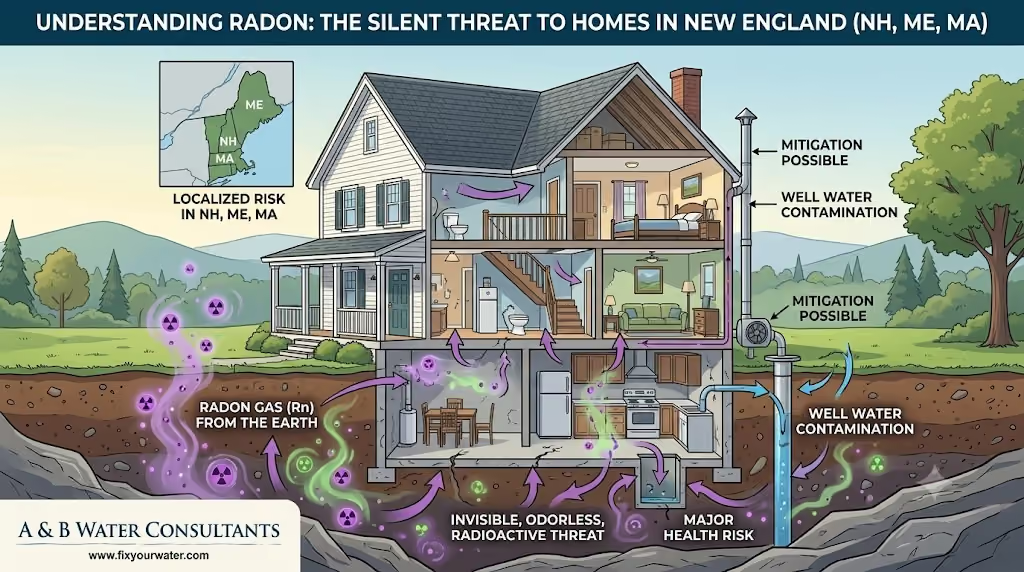
Radon enters homes through two distinct pathways, and effective mitigation requires understanding which one, or both, applies to your property.
Soil-to-Air Entry
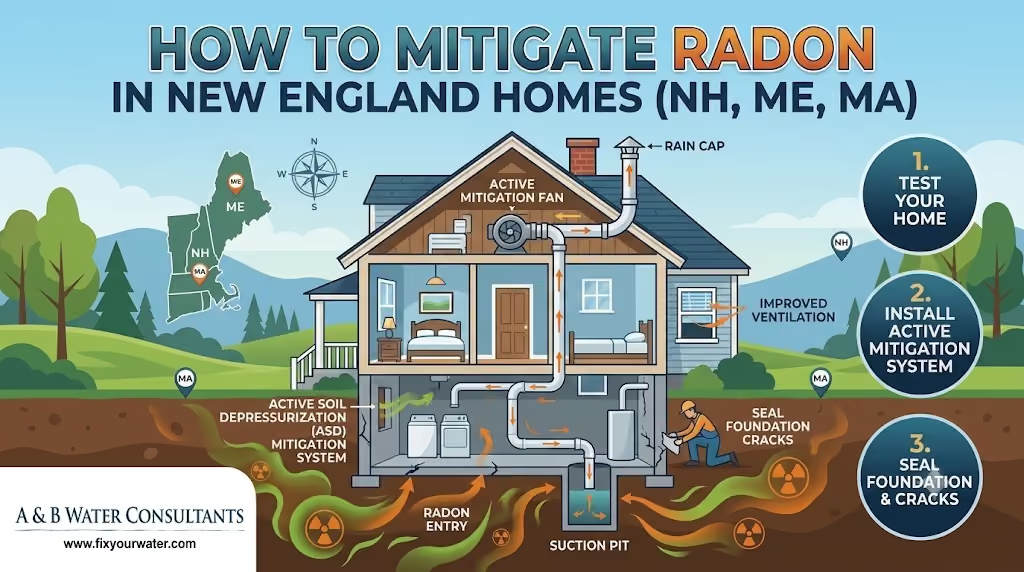
The most commonly discussed pathway is soil gas intrusion. Radon produced by decaying uranium in soil and rock migrates upward and enters the home through cracks in the foundation slab, gaps around utility penetrations, porous concrete block walls, and exposed soil in crawlspaces. Homes with basements and slab-on-grade foundations are particularly susceptible, especially in areas with high soil radon concentrations.
Radon in Well Water
For the many New England homes that rely on drilled bedrock wells, radon dissolved in groundwater is an equally serious concern. When well water is used for showering, cooking, or running appliances, radon volatilizes from the water into the indoor air. The EPA estimates that roughly 10,000 pCi/L of radon in water contributes approximately 1 pCi/L to indoor air levels. Given that some New Hampshire and Maine wells test in the tens of thousands of pCi/L range, the contribution to indoor air quality can be substantial. Waterborne radon is a critical and often overlooked entry pathway for private well users throughout the region.
Types of Radon Mitigation Systems Explained
The best radon mitigation system for a given home depends on how radon is entering and at what levels. Below is a comparison of the primary system types used in residential applications.
Active Sub-Slab Depressurization (SSD)
Active sub-slab depressurization is the most widely used and most effective method for reducing airborne radon in basement and slab-on-grade homes. An SSD system works by creating a suction pit beneath the concrete slab, running a PVC depressurization pipe from that pit up through the home, and connecting it to a continuously operating radon fan that exhausts the gas to the exterior. A manometer is installed to allow homeowners to confirm the system is maintaining proper pressure differential. This active radon mitigation approach consistently achieves radon reductions of 90 percent or more when properly designed and installed.
Sub-Membrane Depressurization for Crawlspaces
Homes with crawlspace foundations require a different approach. Sub-membrane depressurization involves installing a heavy-duty polyethylene barrier over the exposed soil in the crawlspace, then using a radon fan to draw gas from beneath the membrane and vent it outdoors. The crawlspace barrier also helps control moisture, which is an added benefit for New England homes that deal with humid summers and wet shoulder seasons.
Passive Radon Systems
Some newer construction homes are built with passive radon systems that include rough-in piping beneath the slab but no fan. These passive systems rely on natural air pressure differences to draw radon upward and out. While passive systems can reduce radon in some cases, they are generally less reliable than active systems with fans, particularly in New England where tight building envelopes and variable pressure conditions can limit their effectiveness. If testing shows levels above 4 pCi/L with a passive system in place, upgrading to an active system by adding a radon fan is straightforward.
Radon in Water Treatment Systems
For waterborne radon, two primary treatment technologies are used: aeration systems and granular activated carbon (GAC) filtration. Both are effective, but they differ in design, maintenance requirements, and ideal use cases. This is the category where A&B Water Consultants provides specialized expertise that most air-focused mitigation companies simply cannot offer.
Radon in Well Water: Why New England Homeowners Need a Water-Specific Mitigation Strategy
Addressing radon in well water requires a dedicated treatment strategy that is entirely separate from air mitigation. Homeowners in New Hampshire, southern Maine, and Massachusetts who rely on private bedrock wells should have their water tested for radon, particularly if indoor air levels are elevated or if they are located in a known high-risk geology area.
Aeration Systems
Aeration systems work by exposing well water to large volumes of air, which causes dissolved radon to volatilize out of the water before it enters the home's plumbing. These systems are highly effective, capable of removing 95 to 99 percent of radon from water, and they do not produce a concentrated waste stream. They do require a storage tank and a small pump system, and the off-gassed radon must be vented to the exterior. Aeration systems are often preferred for homes with very high water radon levels.
Granular Activated Carbon (GAC) Filtration
GAC radon filters pass water through a bed of activated carbon, which adsorbs radon from the water. These systems are compact, relatively low-maintenance, and effective for moderate radon levels in water. However, over time the carbon bed accumulates radioactivity and must be properly disposed of by a licensed professional. GAC systems are a good fit for homes with moderate water radon concentrations and where space for an aeration tank is limited.
Choosing between aeration and GAC depends on the radon concentration in your water, your household water usage, available installation space, and local disposal regulations. Activated carbon system performance and maintenance differ from aeration, so a professional assessment will help determine the right choice for your property. Contact A&B Water Consultants for a free radon mitigation system quote and get a professional assessment of which water treatment technology is right for your home.
Do You Need Both Air and Water Radon Mitigation? How to Know
This is a question that national resources rarely address, yet it is highly relevant for New England homeowners on private wells. The answer is: quite possibly yes, and testing is the only way to know for certain.
Homes situated on granite-rich soils with high soil radon concentrations often also have elevated radon in their well water, because both problems originate from the same underlying geology. A home may have a properly functioning SSD system that successfully reduces airborne radon from soil intrusion, yet still have elevated indoor air radon because of the contribution from waterborne radon volatilizing during showers and water use.
The recommended approach is to test both air and water independently. If air radon is above 4 pCi/L and water radon is above the EPA's suggested action level of 4,000 pCi/L for private wells, both systems are warranted. A qualified water treatment specialist can evaluate the combined contribution and design a coordinated solution. This dual-system scenario is exactly the kind of custom work that A&B Water Consultants has been handling for families across New Hampshire, Maine, and Massachusetts for over 25 years.
How to Choose the Right Radon Mitigation System for Your Home
Selecting from the available radon removal systems requires matching the technology to the specific conditions of your home. Key factors include:
- Foundation type: Basement, slab-on-grade, and crawlspace homes each require a different air mitigation approach.
- Water source: Homes on municipal water supplies have minimal waterborne radon risk; homes on private bedrock wells should test their water.
- Radon concentration: Higher levels may require more robust systems or combination approaches.
- Contractor certification: Look for NRPP (National Radon Proficiency Program) or NEHA-certified professionals with documented local experience in New England conditions.
- Post-installation testing commitment: Any reputable contractor should include or recommend post-mitigation testing to verify results.
When evaluating contractors, ask whether they are equipped to address waterborne radon as well as airborne radon. Many air-focused mitigation companies are not equipped to test or treat well water, which means a household with both problems may only receive a partial solution. Contact A&B Water Consultants for a free radon mitigation system quote and speak with a specialist who can evaluate both pathways.
Cost of Radon Mitigation Systems in New Hampshire, Maine, and Massachusetts
Understanding realistic cost ranges helps homeowners plan and compare proposals from contractors.
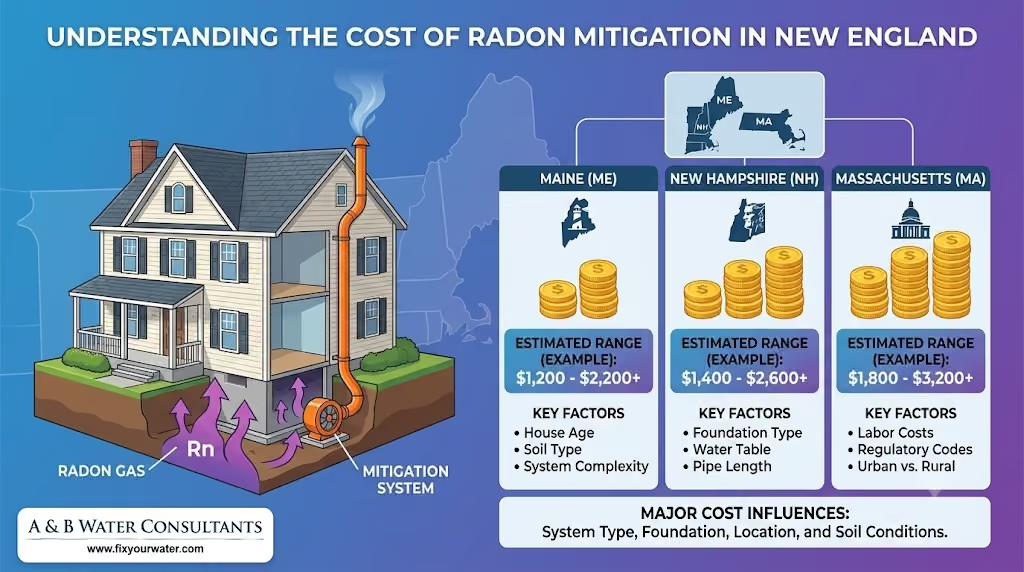
- Active sub-slab depressurization: Typically ranges from $800 to $2,500 for a standard single-pipe installation in a basement home, depending on foundation complexity, pipe routing, and local labor rates.
- Crawlspace sub-membrane depressurization: Generally $1,500 to $3,000, with costs influenced by crawlspace size and accessibility.
- Aeration systems for well water radon: Installation costs typically range from $2,000 to $5,000 or more, depending on system capacity and site conditions.
- GAC filtration systems: Generally lower upfront cost, often in the $1,000 to $3,000 range for installation, but with ongoing carbon replacement costs factored in over time.
Factors that affect pricing include the radon concentration levels found during testing, the number of suction points required, foundation type, and whether water treatment is also needed. Professional installation consistently delivers better long-term value than DIY approaches because proper system design, correct fan sizing, and post-installation verification are critical to achieving the reductions that protect your family.
Annual Radon Mitigation System Inspection Checklist for Homeowners
Once a mitigation system is installed, routine maintenance ensures it continues to perform effectively. Use the following checklist annually:
- Check the manometer on your SSD system to confirm the system is maintaining negative pressure beneath the slab (the fluid level should be uneven, indicating suction).
- Listen for the radon fan to confirm it is running continuously and quietly; unusual noise may indicate bearing wear.
- Inspect the exterior discharge point to ensure it is unobstructed and positioned away from windows and air intakes.
- Check all visible PVC piping for cracks, loose joints, or signs of physical damage.
- For crawlspace systems, inspect the polyethylene membrane for tears, gaps, or displacement.
- For water treatment systems, verify aeration system components are functioning and schedule GAC carbon replacement per manufacturer guidelines.
- Conduct a radon air test using a certified short-term or long-term test kit to confirm levels remain below 4 pCi/L.
- Schedule a professional inspection if any component shows signs of wear or if radon levels have risen since the last test.
Post-Installation Testing and Ongoing Monitoring
Professional installation is only the first step. Retesting radon levels 24 to 30 days after mitigation system installation is essential to confirm the system is achieving the intended reduction. Annual radon testing after that point provides ongoing assurance that the system continues to perform, particularly as homes settle, fans age, or conditions change. For water treatment systems, periodic water testing confirms that radon removal efficiency is maintained over time.
Radon Mitigation and Home Sales in New Hampshire and Massachusetts: What Buyers and Sellers Need to Know
Radon has become a standard concern in real estate transactions throughout New England. In New Hampshire, sellers are required to disclose known radon issues, and home inspections commonly include radon testing. Massachusetts has similar disclosure obligations under state real estate regulations. Buyers in both states routinely request radon testing as a condition of sale.
Homeowners who have already installed a properly functioning mitigation system are often in a stronger negotiating position than those who have not addressed the issue. A documented system with post-installation test results showing levels below 4 pCi/L provides buyers and their lenders with confidence. In many cases, a properly mitigated home sells more smoothly than one where radon has not been addressed and buyers must negotiate remediation credits or wait for post-closing installation.
For sellers preparing a home for the market, or buyers who have received a radon report during inspection, Contact A&B Water Consultants for a free radon mitigation system quote to understand your options and timeline before closing.
Frequently Asked Questions About Radon Mitigation Systems
What radon levels are considered dangerous?
The EPA recommends taking action when indoor air radon levels reach 4 pCi/L or higher. The EPA also notes that levels between 2 and 4 pCi/L present a risk and that mitigation should be considered. For well water, the EPA's suggested action level for private wells is 4,000 pCi/L, though many specialists recommend addressing levels above 2,000 pCi/L given the contribution to indoor air.
What is the average cost for radon mitigation?
For air mitigation, most homeowners in New Hampshire and Massachusetts pay between $800 and $2,500 for a standard basement SSD system. Water treatment systems for well water radon typically range from $1,000 to $5,000 depending on the technology and site conditions. Homes requiring both air and water mitigation should budget accordingly for a comprehensive solution.
Is it hard to sell a house with a radon mitigation system?
Generally, no. A properly installed and documented mitigation system is viewed positively by buyers because it demonstrates that the issue has been identified and professionally resolved. Homes with active systems and verified post-mitigation test results below 4 pCi/L typically proceed through real estate transactions without significant complications.
Which states are worst for radon?
States with granite-rich geology and older housing stock consistently rank highest. New Hampshire, Maine, Pennsylvania, Iowa, and Colorado are among the states with the highest average indoor radon levels. New Hampshire in particular has some of the highest documented radon concentrations in the country, both in air and in private well water.
Can one system address both air and water radon?
No. Air mitigation systems (such as SSD) address soil gas intrusion but do not treat waterborne radon. Water treatment systems (aeration or GAC) address radon dissolved in well water but do not mitigate soil gas entry. Homes with both problems require both types of systems, designed and installed by a contractor with expertise in both areas.
What time of year is radon highest?
Indoor radon levels tend to be highest during winter months when homes are closed up and ventilation is reduced. However, radon is present year-round, and testing should not be delayed based on season. Long-term testing over 90 days or more provides the most accurate picture of average annual exposure.
Protecting Your Family Starts with a Professional Assessment
For homeowners in New Hampshire, southern Maine, and Massachusetts, radon is not a hypothetical risk. It is a measurable, manageable problem that affects a significant percentage of homes in the region, particularly those on private bedrock wells. The best radon mitigation systems are the ones properly matched to your home's specific conditions, installed by certified professionals, and verified with post-installation testing.
A&B Water Consultants brings over 25 years of experience designing and installing custom radon water treatment solutions for New England families. Whether you need air mitigation, water treatment, or a combined strategy that addresses both pathways, the team has the expertise to deliver a solution that works. Contact A&B Water Consultants for a free radon mitigation system quote and take the first step toward cleaner, safer water and air for your family.